What to Do When Your House Floods After Heavy Rain in Grapevine, TX
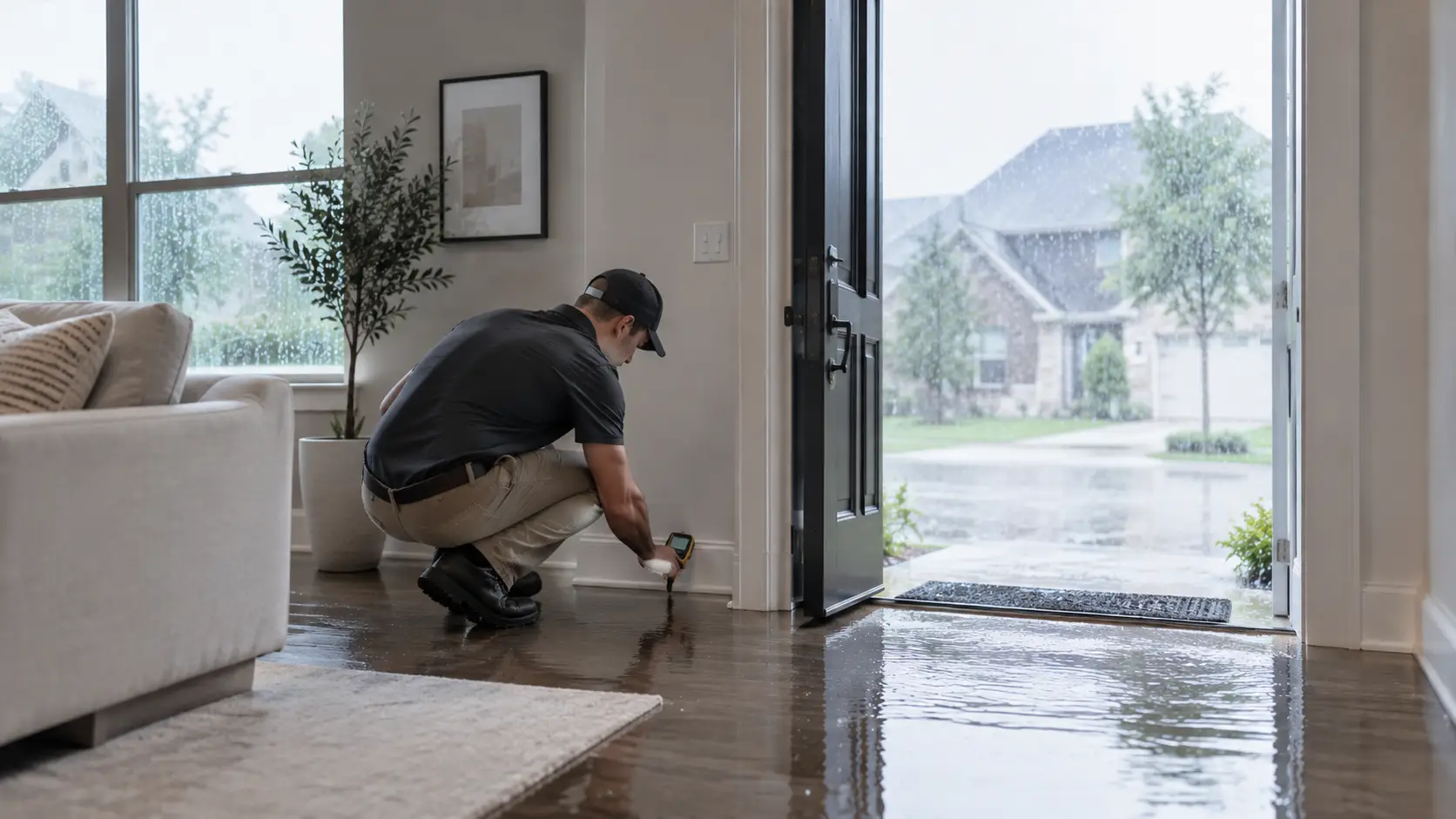
A flooded room after a heavy Grapevine storm can look manageable once the rain stops, but the water you can see is often only part of the problem. Moisture can work its way under flooring, behind baseboards, and into drywall long after the standing water is gone.
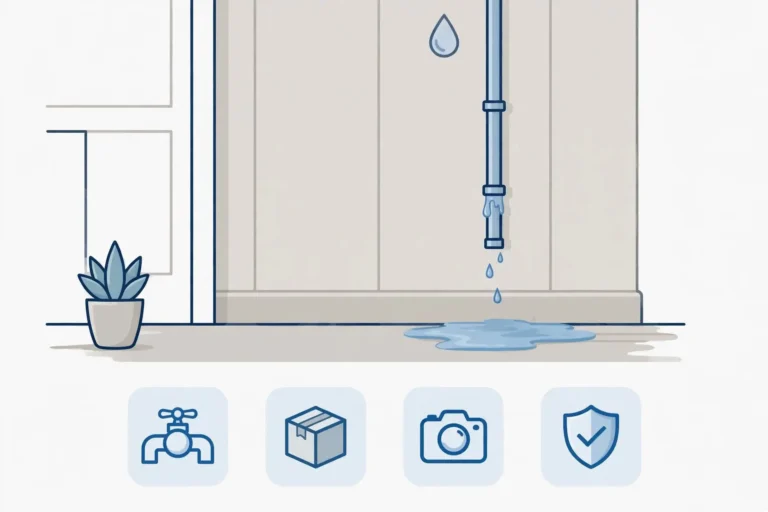
Your first move should be safety, not cleanup. Stay out of standing water if electrical outlets, appliances, or wiring may be involved. Once the area is safe, photograph the damage, stop any additional water intrusion you can safely control, move dry belongings out of the affected area, and start removing water.
Being outside a mapped high-risk flood area does not mean a home is flood-proof. The Texas Department of Insurance reports that about 40% of National Flood Insurance Program claims occur outside high-risk flood areas. Grapevine also maintains its own Master Drainage Plan and FEMA floodplain maps to account for local stormwater and drainage risks.
If heavy rain floods your Grapevine home, document the damage and remove standing water as soon as it is safe, but don’t stop there. Check for moisture beneath floors and inside walls, because hidden water can continue damaging materials even when the room looks dry.
Why Heavy Rain Can Flood a Home in Grapevine
Heavy rain becomes a problem when water reaches the property faster than it can drain away. In Grapevine, that can mean runoff collecting in low areas, water moving across neighboring lots, or drainage systems struggling during intense storms.
Homes can take on water through several points, including:
- Garage doors and exterior door thresholds
- Low windows
- Roof or flashing leaks
- Gaps around exterior penetrations
- Areas where water pools near the foundation
- Floor drains or plumbing backups
One important thing to understand: flooding is not limited to homes inside a mapped floodplain. Local drainage problems, blocked flow paths, and lot-to-lot runoff can still push water toward a house.
Grapevine’s Engineering Division manages local stormwater, floodplain, and drainage issues, and the city also has a Lot-to-Lot Drainage Program for recurring drainage problems between properties.
Why this matters after a storm
Where the water came from can affect both cleanup and insurance.
Water that has traveled across streets, yards, or drainage areas may carry dirt, debris, and other contaminants, so it should not be treated the same as a small clean-water leak from inside the home.
If flooding keeps happening in the same part of the property, the problem may be more than a one-time storm. It can point to grading, drainage, or runoff issues that should be investigated after the immediate cleanup is finished.
What to Do Immediately After Your Grapevine Home Floods
When water gets inside, the order of your next steps matters. Focus first on safety, then on limiting additional damage.
1. Make Sure the Area Is Safe
Do not walk into standing water if outlets, appliances, extension cords, or electrical panels may have been exposed.
Also stay out of rooms with:
- Sagging ceilings
- Buckled flooring
- Cracked walls
- Visible structural movement
- Water that may contain sewage or outdoor contaminants
If there is any doubt about electrical or structural safety, keep out of the area until it has been checked.
2. Stop More Water From Getting In
If the rain is still falling, look for the source only from a safe location.
For example:
- Close doors or windows letting water in
- Clear an accessible exterior drain if it can be done safely
- Place towels or barriers at a minor doorway leak
- Move items away from the active water path
Do not climb onto a wet roof or enter moving floodwater just to stop a leak.
3. Document the Damage Before Major Cleanup
Take wide photos of each affected room, then closer photos of damaged flooring, walls, furniture, appliances, and personal belongings.
A short video walkthrough can also help show the extent of the flooding.
The Texas Department of Insurance recommends documenting storm damage before repairs and keeping records of damaged property and cleanup expenses.
4. Move Dry Belongings Out of the Affected Area
If it is safe, remove items that have not yet gotten wet.
Start with:
- Electronics
- Documents
- Upholstered furniture
- Clothing
- Rugs
- Boxes stored on the floor
This can prevent a small flooded area from turning into a much larger contents-loss problem.
5. Remove Standing Water and Start Drying
Once the area is safe, standing water should be removed as soon as practical.
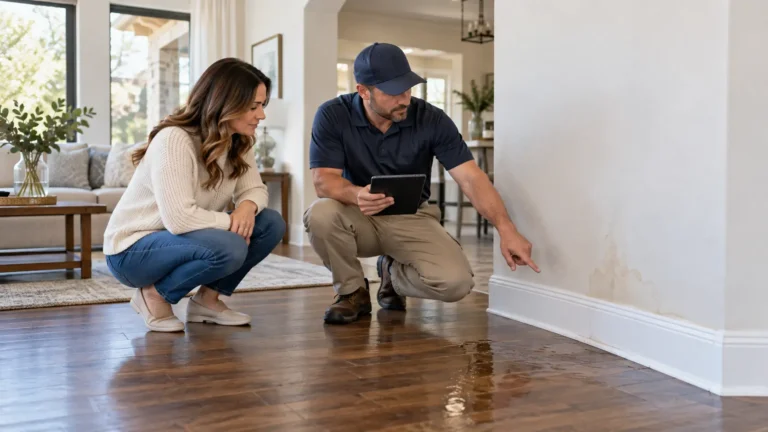
But water extraction is only the first part of the job. Flooring, drywall, baseboards, insulation, and cabinets can hold moisture after the surface looks dry.
That is why proper flood cleanup should include moisture checks and structural drying, not just removing the visible water.
Don’t Assume the House Is Dry When the Floor Looks Dry
One of the biggest mistakes after a flooded room is stopping cleanup once the standing water is gone.
Water can move into materials you cannot easily see, especially:
- Under carpet and padding
- Beneath laminate, wood, or vinyl flooring
- Behind baseboards
- Inside drywall and insulation
- Under cabinets and toe kicks
- Into subfloors and wall cavities
That hidden moisture matters because damp building materials can stay wet much longer than the surface suggests.
FEMA guidance notes that materials that remain wet for roughly 24 to 48 hours can create conditions where mold may begin to grow, especially in porous materials. That is why fast drying is important after heavy-rain flooding.
How to know whether drying is actually complete
Appearance alone is not enough.
A proper water-damage assessment may use moisture meters to compare affected materials with dry areas of the home. This helps determine whether walls, floors, and other materials are still holding excess moisture.
If the room still smells damp, flooring begins to swell, baseboards separate, or drywall feels soft, there may still be moisture inside the structure.
The goal is not simply to make the room look dry. It is to make sure the materials themselves have returned to a safe, dry condition.
What You Can Handle Yourself—and When to Call a Professional
Not every water intrusion needs a full restoration crew, but some situations are too risky or too extensive for DIY cleanup.
You may be able to handle it yourself if:
- The water is limited to a small area
- It came from a relatively clean source
- No electrical outlets or wiring were exposed
- The water did not soak into drywall, insulation, or subflooring
- You can remove the water and dry the area quickly
For a small doorway leak or minor water on a hard floor, towels, a wet vacuum, ventilation, and close monitoring may be enough.
Call a water damage professional if:
- Standing water covers a large area
- Water has reached drywall, insulation, cabinets, or flooring
- Multiple rooms are affected
- The ceiling is wet or sagging
- There is sewage or drain backup
- You suspect moisture behind walls or under floors
- The area is not drying quickly
- You are unsure whether the structure is safe
Professional restoration becomes especially useful when moisture has moved beyond the surface. Water extraction equipment, commercial dehumidifiers, air movers, and moisture meters can help dry materials that household fans may not reach effectively.
A simple rule: if you cannot clearly see where the water stopped, assume it may have traveled farther than the visible wet area.
That is usually the point where a moisture inspection becomes more useful than continuing to guess.
Does Homeowners Insurance Cover Flooding From Heavy Rain in Texas?
This is where the source of the water matters.
Standard homeowners insurance generally does not cover flooding caused by rising surface water. That type of loss usually requires a separate flood insurance policy. But rain entering through storm damage such as a damaged roof or broken opening, may be treated differently depending on the policy and circumstances.
Because coverage varies, avoid assuming a heavy-rain loss is automatically covered or excluded.
What to do before filing the claim
- Photograph and video the affected areas
- Make a list of damaged belongings
- Keep receipts for emergency cleanup and temporary repairs
- Save damaged items when practical until the adjuster advises otherwise
- Ask your insurer what documentation they need before permanent repairs begin
The Texas Department of Insurance recommends documenting damage as soon as it is safe and keeping records of storm-related expenses.
One practical distinction to remember
If water rises from the ground and enters the home, that is typically considered flood damage. If rain enters because wind or another covered event damaged part of the home, the claim may be handled differently.
The exact answer depends on your policy, endorsements, deductibles, and the documented cause of loss, so it is worth confirming with your insurer rather than relying on a general rule.
Grapevine Flood Resources Homeowners Should Know About
After the immediate cleanup is under control, it is worth finding out why water reached the property in the first place especially if the same area has flooded before.
Check Your Property’s Floodplain Information
The City of Grapevine participates in FEMA’s National Flood Insurance Program (NFIP) and keeps effective Flood Insurance Rate Maps (FIRMs) available for review. These maps can help homeowners understand whether a property falls within a mapped floodplain.
Keep in mind that a flood map is a risk-planning tool, not a guarantee that flooding will or will not happen. The city itself notes that mapped boundaries may not always reflect actual site conditions.
Report Recurring Drainage Problems
If heavy rain repeatedly causes water to:
- Pool against your foundation
- Cross from a neighboring property
- Collect in the same section of your yard
- Overflow nearby drainage areas
- Move toward your garage or entry doors
consider looking beyond the immediate water cleanup.
Grapevine’s Engineering Division oversees the city’s Master Drainage Plan, stormwater system, floodplain administration, and drainage concerns reported by residents. The city also provides a Lot-to-Lot Drainage Program for certain drainage issues between properties.
The practical takeaway is simple: restore the water damage now, but investigate recurring drainage afterward. Otherwise, the same weak point may cause another loss during the next major storm.
How to Reduce the Risk of Another Heavy-Rain Flood
Once the home is dry, the next step is reducing the chance of the same problem happening again.
Start with the areas that control how water moves around the property:
- Keep gutters and downspouts clear
- Make sure downspouts discharge away from the foundation
- Watch for low spots where water repeatedly pools
- Check door thresholds, garage entries, and low windows
- Seal obvious exterior gaps around utility penetrations
- Investigate recurring drainage issues instead of treating each storm as a separate problem
If water regularly collects near the same wall or entry point, that is useful information. It may indicate a grading, drainage, or runoff issue that should be addressed before the next major storm.
It is also worth reviewing your flood insurance before severe weather. The Texas Department of Insurance notes that most flood policies have a waiting period before coverage takes effect, so buying coverage after a storm is already approaching may be too late.
For Grapevine homeowners, FEMA flood maps and the City of Grapevine’s drainage resources can help identify whether the property sits near a mapped flood-risk area or has a recurring local drainage concern.
The goal is not to make a home “flood-proof.” It is to identify the most likely entry points and reduce how easily stormwater can reach them.
FAQs
Can my home flood even if it is not in a FEMA high-risk flood zone?
Yes. FEMA flood maps identify mapped flood-risk areas, but they do not account for every drainage problem that can affect a property. Local runoff, poor grading, blocked drainage paths, and intense rainfall can still cause water intrusion outside high-risk zones.
Should I remove floodwater myself?
Only if the area is safe, the water is limited, and there is no electrical, structural, sewage, or contamination risk.
If water has spread into walls, insulation, flooring, multiple rooms, or hidden cavities, professional extraction and moisture testing are usually the safer approach.
Does homeowners insurance cover flooding from heavy rain in Texas?
It depends on how the water entered.
Standard homeowners policies generally exclude flooding from rising surface water, which usually requires separate flood insurance. Rain entering because of covered storm damage may be handled differently, depending on the policy and cause of loss.
How long does a flooded house take to dry?
There is no reliable one-size-fits-all timeline.
Drying time depends on:
- How much water entered
- Which materials got wet
- Whether moisture reached wall or floor cavities
- Indoor humidity
- How quickly extraction started
- The drying equipment used
Need Help With Flood Damage in Grapevine, TX?
If you’re dealing with water damage in Grapevine, TX, contact our local restoration team for help assessing the damage and determining the right next steps.