What to Do Before a Water Damage Restoration Company Arrives
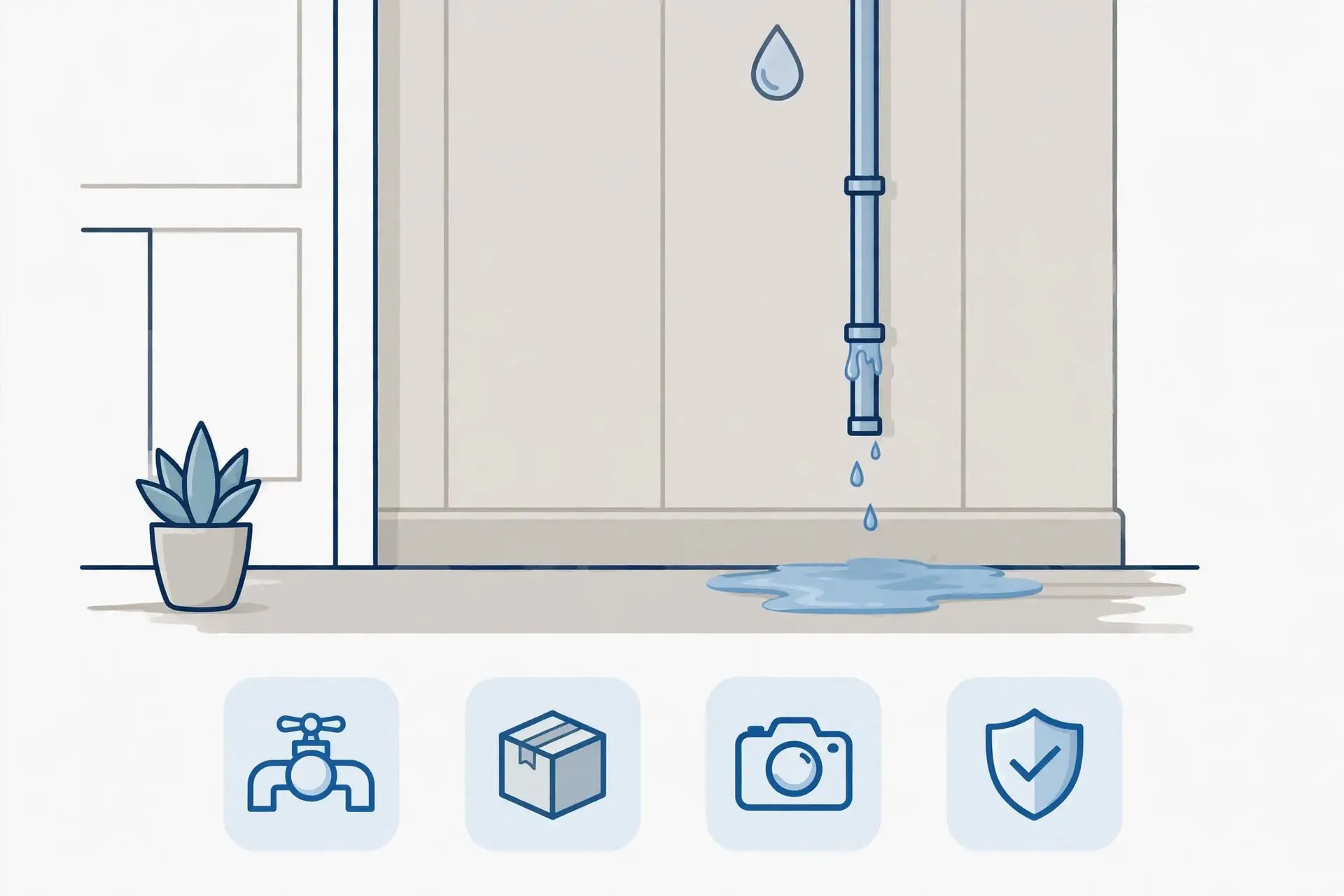
Water damage can feel urgent the moment you find it, but the few minutes before a restoration company arrives are not the time to start tearing things apart.
Your priority is to keep the area safe, stop more water from entering if you can do that safely, and protect the things that are easy to move.
We often arrive at homes where the biggest extra problems happened after the leak was found someone walked through contaminated water, plugged in equipment near a wet floor, or started removing materials before the damage was properly assessed.
You do not need to fix the problem yourself before help arrives. A few simple, careful steps can reduce additional damage and give the restoration team a clearer picture of what happened.
Check Whether the Area Is Safe Before You Go In
Before you start moving things or trying to clean up, take a few seconds to look at the area carefully.
The biggest concern is not the water itself. It is what the water may be touching.
Stay out of the area if you see:
- standing water near outlets, cords, appliances, or electrical equipment
- a sagging ceiling
- damaged or soft flooring
- sewage or dirty floodwater
- signs that part of the structure may be unstable
If the room looks unsafe, do not enter just to save furniture or belongings.
If the area looks stable and there are no obvious electrical or contamination risks, you can move on to the next step.
Stop More Water From Entering the Home (If You Can Do It Safely)
If water is still coming in, stopping the source can make the biggest difference before we arrive.
For a plumbing leak, that may mean closing the shutoff valve under a sink, behind a toilet, or near the affected appliance. If the leak is coming from a pipe and you cannot isolate it, use the home’s main water shutoff if you know where it is and can reach it safely.
For an overflowing appliance, stop the cycle or close its water supply only if you can do so without stepping into standing water or reaching near exposed electrical connections.
If the water is coming through the roof, ceiling, or exterior during a storm, do not climb onto the roof or open walls trying to find the source.
The goal is simple: stop additional water when it is easy and safe to do so. Do not create a second problem trying to control the first one.
Keep People and Pets Out of the Affected Area
Once you know the area is not getting worse, keep unnecessary traffic out of it.
Keep children and pets in a dry part of the home, and avoid walking back and forth through the damaged room.
This also helps us when we arrive. A clear, undisturbed area makes it easier to see where the water traveled, check moisture levels, and start the right drying plan without additional mess or spread.
Move Easy-to-Reach Belongings Away From the Water
If the area is safe, move small or valuable items before the water reaches them.
Start with things that can be damaged quickly, such as:
- documents and photos
- electronics
- rugs and clothing
- boxes stored on the floor
- small furniture and personal items
Prioritize anything irreplaceable or sensitive to moisture.
Do not drag heavy furniture across wet flooring or enter a risky area just to save belongings. If an item is too heavy, difficult to reach, or surrounded by standing water, leave it for the restoration crew.
The goal is not to empty the room. It is to protect what you can without putting yourself at risk.
Take Photos and Video Before You Change the Scene
Before you move too much or start cleaning, take a few clear photos of what you found.
Start with a wide shot of the room so the overall extent of the damage is visible. Then take closer photos of:
- the suspected water source
- wet flooring, baseboards, walls, and ceilings
- damaged furniture or belongings
- visible staining or water lines
- any area where water appears to have traveled
A short video can also help show how the water moved through the space.
The key is to document the condition before the scene changes. Do not spend too long taking pictures, though. If water is still actively spreading and it is safe to stop it, controlling the source comes first.
Avoid Major Cleanup or Demolition Before the Inspection
It is tempting to start pulling up flooring, removing baseboards, or cutting into wet drywall before the restoration team arrives. In most cases, that can make the situation harder to assess.
Water does not always stop where the visible stain ends. Moisture may have traveled into:
- drywall
- insulation
- subflooring
- cabinets
- wall cavities
- nearby materials that still look dry
Before anything is removed, we usually want to see how far the moisture has spread and which materials can still be dried in place.
So, unless something presents an immediate safety risk, avoid major demolition while you wait. Leave the damaged materials in place so they can be assessed properly first.
This helps prevent unnecessary removal and gives us a clearer picture of what actually needs to be dried, cleaned, or replaced.
Be Careful With DIY Water Removal and Fans
A small amount of clean water on a hard surface is one thing. Widespread water, soaked materials, sewage, or water near electrical equipment is different.
If the area is clearly safe, you can use towels to stop a small amount of clean water from spreading. Beyond that, avoid turning the situation into a DIY drying job.
Do not use:
- a regular household vacuum to remove standing water
- extension cords or electrical equipment in wet areas
- fans where contaminated water may be involved
- heaters or other improvised drying methods
The reason is simple: drying is not just about making the surface look dry. Water can stay trapped under flooring, behind baseboards, inside drywall, and in other materials.
When we arrive, we check where the moisture actually traveled and set up drying based on those readings. That is much more reliable than trying to dry only what you can see.
Do Not Throw Damaged Items Away Yet
It can be tempting to start throwing out wet belongings as soon as you see the damage, but it is usually better to pause first.
Before discarding anything, take photos and separate the item from the wet area if you can do that safely.
Some belongings may still be cleanable or salvageable, while others may need to be removed depending on how long they were wet and what type of water was involved.
Avoid making quick decisions on valuable items, documents, furniture, or anything you may need to document later.
A better approach is to photograph first, move only what is safe to move, and leave the final keep-or-discard decision until the damage has been properly assessed.
Prepare a Few Details for the Restoration Technician
You do not need to diagnose the damage yourself, but a few basic details can help us assess the situation faster when we arrive.
If possible, note:
- when you first noticed the water
- where it appears to be coming from
- whether the source has been stopped
- which rooms or areas are affected
- whether water reached walls, cabinets, flooring, or furniture
- whether sewage, drain backup, or outdoor floodwater may be involved
- anything you already moved, shut off, or cleaned
If you do not know exactly when the leak started or how far the water traveled, that is fine. Do not guess.
A simple, accurate description of what you saw is more useful than trying to figure out the full extent of the damage before the inspection.
Make It Easy for the Restoration Crew to Reach the Damage
A few simple preparations can save time once the restoration team arrives.
If it is safe, clear a basic path to the affected area so technicians can bring in moisture meters, extraction equipment, and drying equipment without having to work around unnecessary obstacles.
You can also:
- move vehicles that block the driveway or main entrance
- unlock gates or side doors if they provide better access
- secure pets in another room
- make sure the affected appliance, shutoff valve, or utility area is easy to reach
Do not move heavy furniture just to create space. We can handle that once we see the room and know what needs to be moved.
The goal is simply to make access easier so the inspection and water removal can start without unnecessary delay.
Quick Checklist Before the Restoration Company Arrives
If you are waiting for the restoration team, focus on these steps:
- Make sure the affected area is safe to enter.
- Stop the water source if you can do so safely.
- Keep children and pets away from the damaged area.
- Move small, valuable items out of the water’s path.
- Take clear photos and video before changing too much.
- Avoid tearing out drywall, flooring, or other materials.
- Do not use household electrical equipment in wet areas.
- Keep damaged belongings until they are documented and assessed.
- Have basic details ready about when and where the water damage started.
- Clear a safe path so the restoration crew can reach the affected area quickly.
You do not need to solve the whole problem before help arrives. The most useful thing you can do is prevent additional damage without creating a safety risk or disturbing the area more than necessary.
Need Help With Water Damage in Grapevine?
Water damage can get worse quickly.
Contact us for help and a professional response you can rely on.
FAQ’s
Should I clean up the water before the restoration company arrives?
If it is a very small amount of clean water in a safe area, you can use towels to keep it from spreading. If there is standing water, sewage, floodwater, electrical risk, or widespread saturation, leave the cleanup to the restoration team.
Should I turn off the water before the restoration company arrives?
Yes, if the leak is still active and the shutoff valve is easy to reach safely. For a plumbing leak, stopping the water source can prevent additional damage while you wait.
Should I turn off the electricity after water damage?
Only if you can do it safely from a dry location. Do not step into standing water or reach through a wet area to access a breaker panel, outlet, or appliance.
Can I use fans while I wait?
Not in every situation. Fans may be inappropriate if the water is contaminated, and electrical equipment should never be used where there is a shock risk. If you are unsure, wait for the restoration team to assess the area first.
Should I move furniture before the crew arrives?
Move only small or easy-to-handle items if the area is safe. Leave heavy furniture in place. The crew can decide what needs to be moved once the room has been inspected.
Should I remove wet drywall or carpet myself?
Usually not. The visible damage does not always show how far the moisture has spread. It is better to let the restoration team check moisture levels before materials are removed.
What information should I give the restoration company?
Tell them when you discovered the water, where it appears to be coming from, whether the source has been stopped, which rooms are affected, and whether sewage or outdoor water may be involved.
What should I do if I am not sure whether the area is safe?
Do not guess. Stay out of the affected area and explain what you are seeing when you speak with the restoration company. Safety should come before trying to save materials or belongings.